The Cashmere Shawl
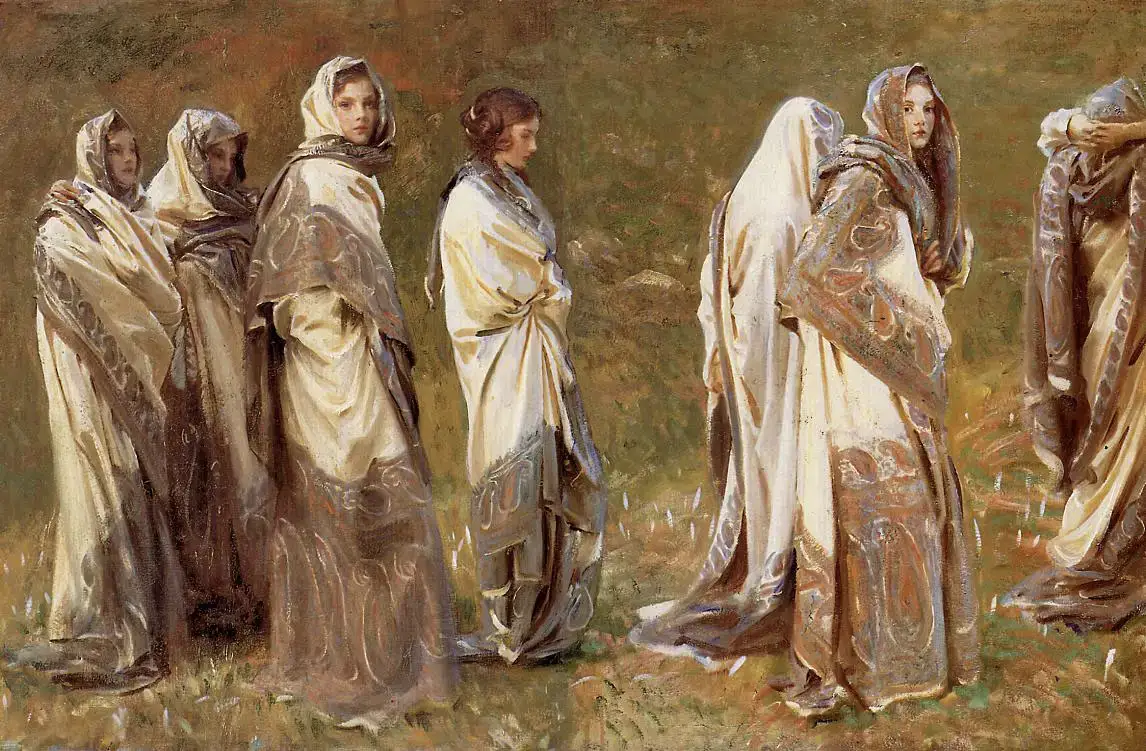
Cashmere, painting by John Singer Sargent 1908. Public Domain
Cashmere, painting by John Singer Sargent 1908. Public Domain
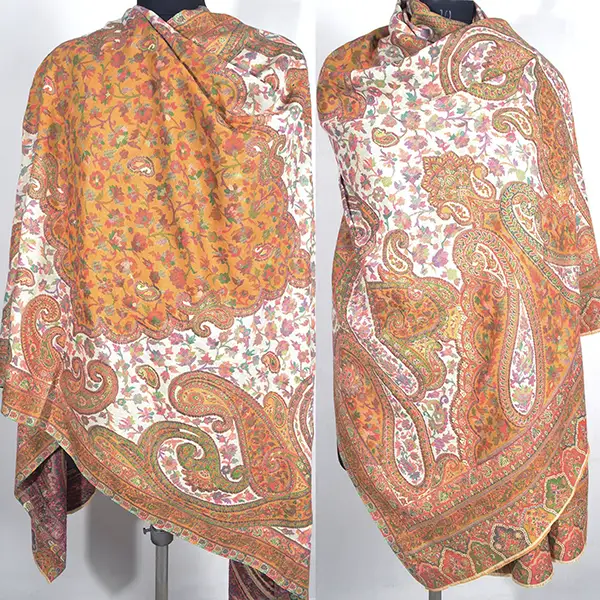
Pashmina shawls with intricate paisley patterns and floral designs.. Authentic pashmina is produced ethically and sustainably, without harming the goats. The traditional hand-weaving process may result in slight irregularities.
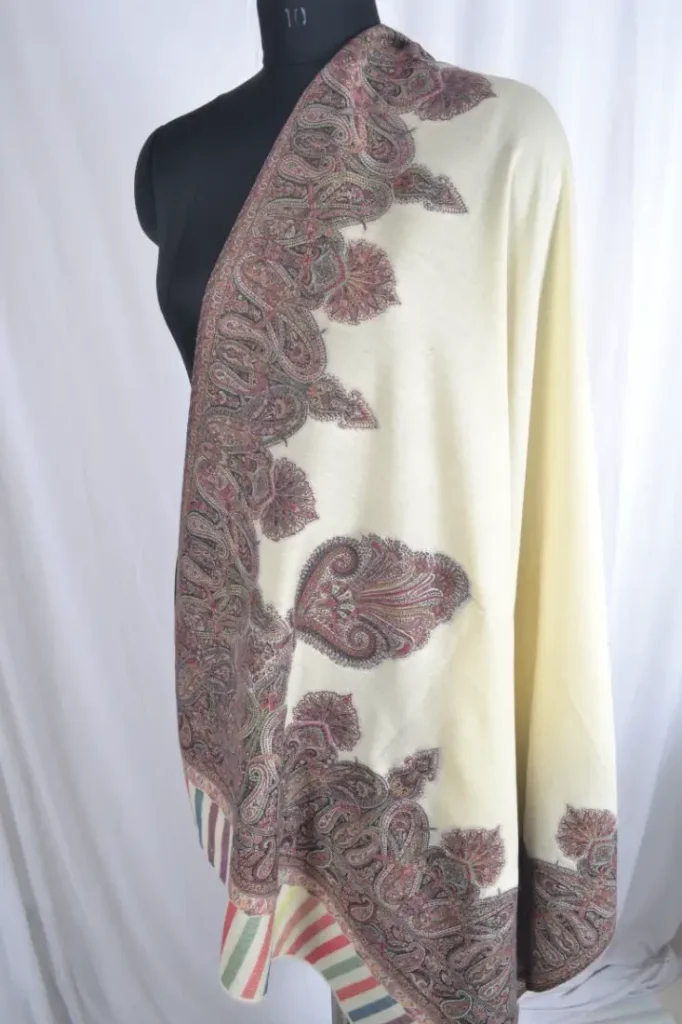
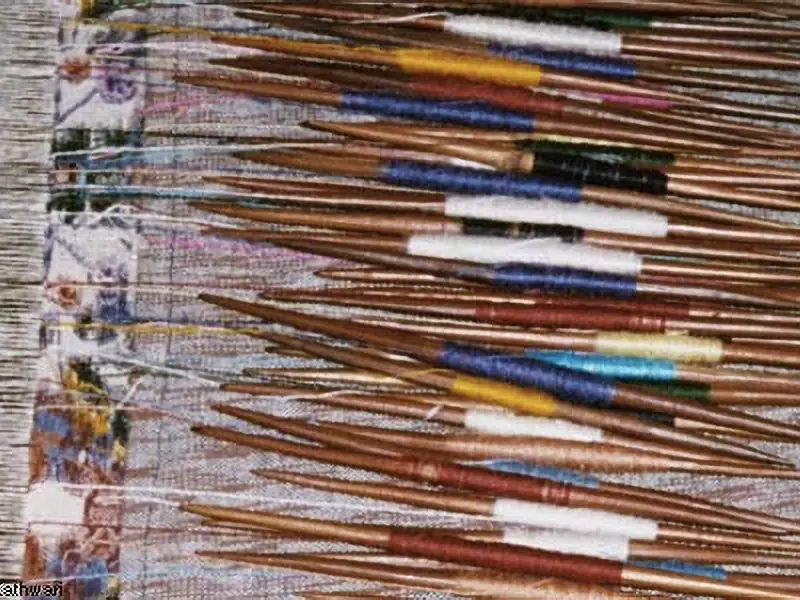
Kani Jamawar Shawls: Traditional Kashmiri handicraft is known for intricate woven designs using wooden bobbins called “kanis”. They are often made from pashmina yarn and can take a long time to complete, sometimes up to two years.
An authentic pashmina shawl is produced ethically and sustainably, without harming the goats. The traditional hand-weaving process may result in slight irregularities.
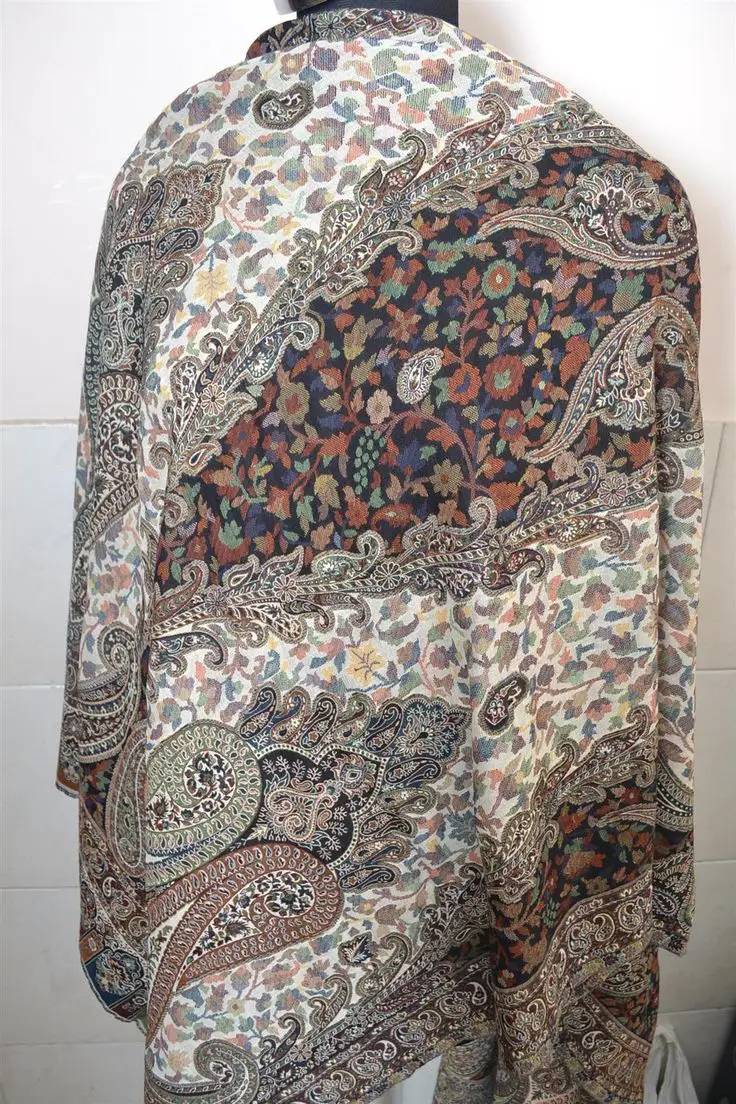
We work closely with our partners in Kashmir to help them meet the exacting demands of our elite clients globally.
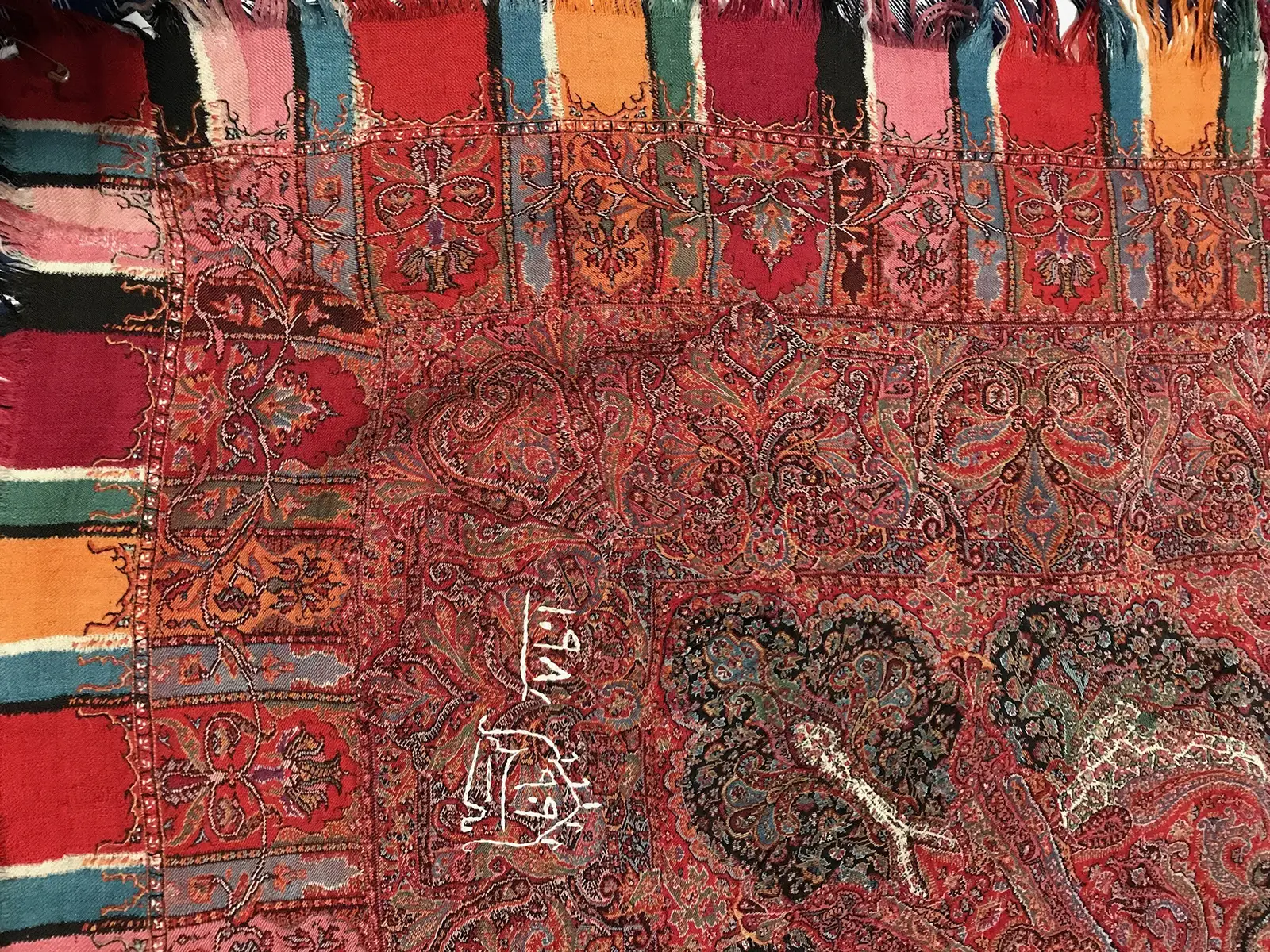
Emperor Napoleon returned from one of his Egyptian campaigns with finely woven Kashmir shawls for Empress Josephine, who, subsequently, owned several hundred such shawls and her legacy is a long lasting change in European design concepts centered on the motif known as boteh, commonly referred to as the “Paisley,” which is perhaps the most important element of textile design to have come out of the East.
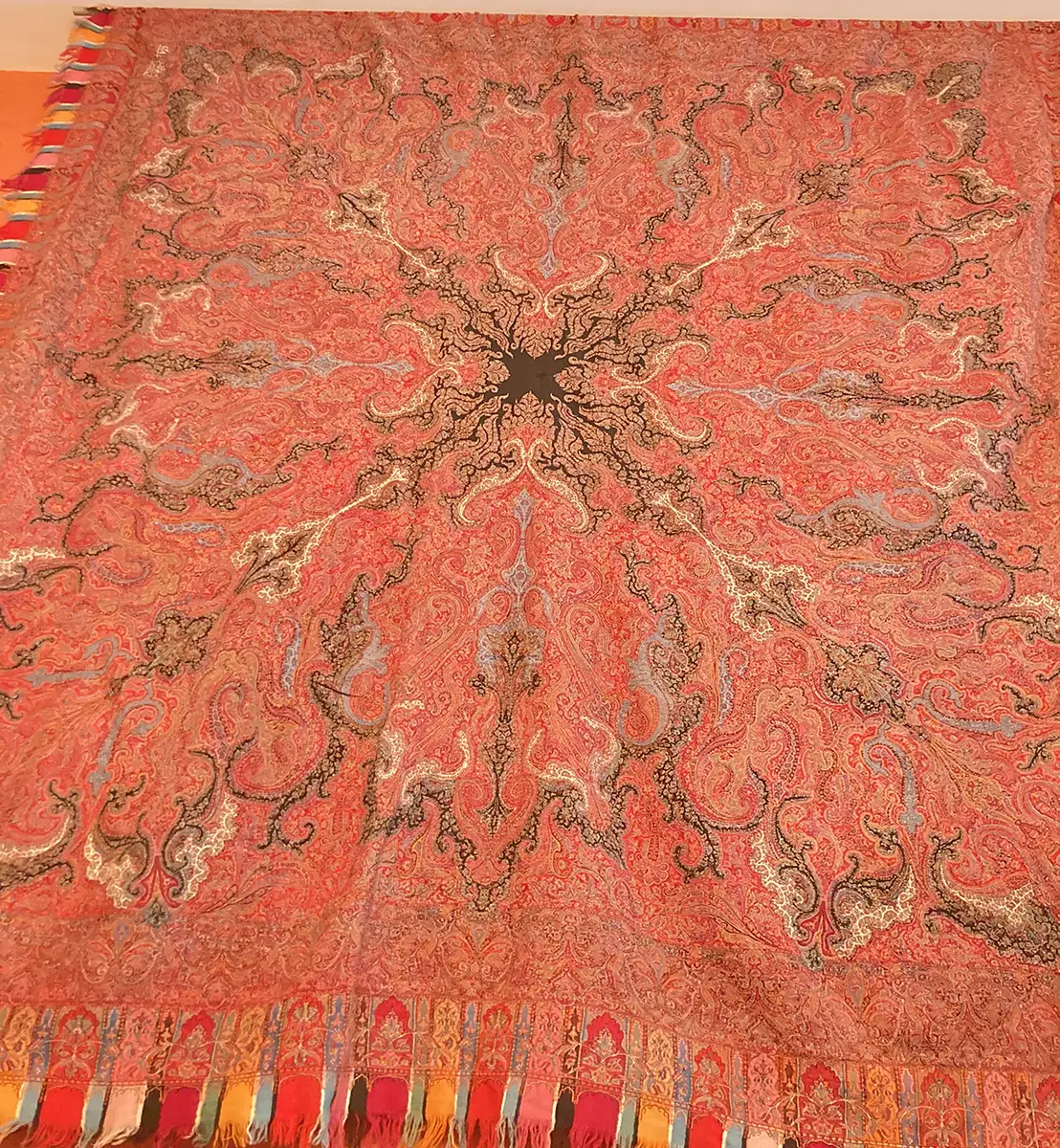
KANI Shawl, handloomed in Kashmir c.1870s 76″ or 193cm square
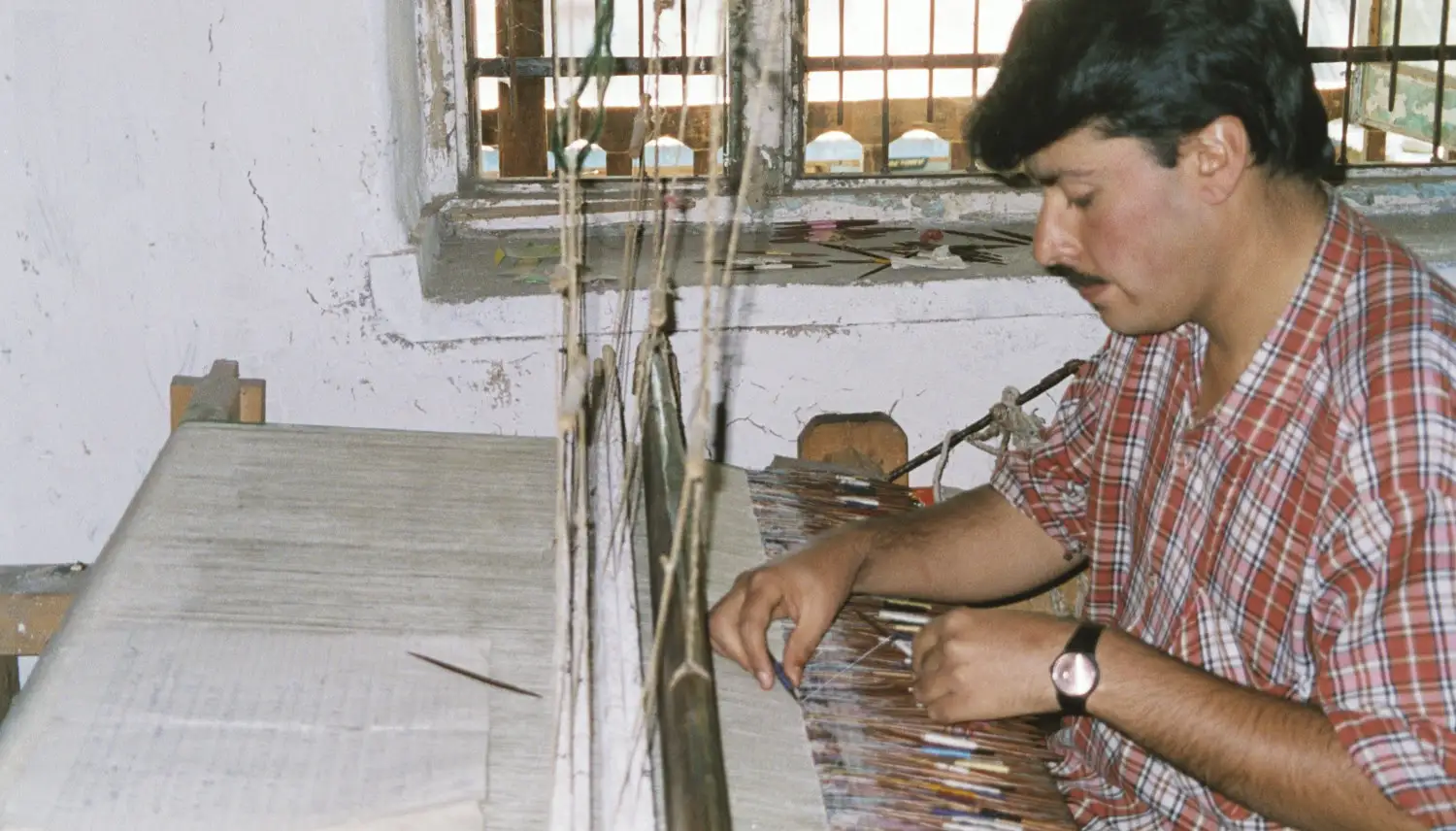
Kani Shawls are woven entirely by hand in a weft-faced technique. Each color of yarn is wound on a small bobbin, kani in Kashmir, and manipulated backwards and forwards through the fixed warp threads to build up the design. Where the different colors meet, the two yarns are interlocked, producing a characteristic ridge on the back of the fabric.
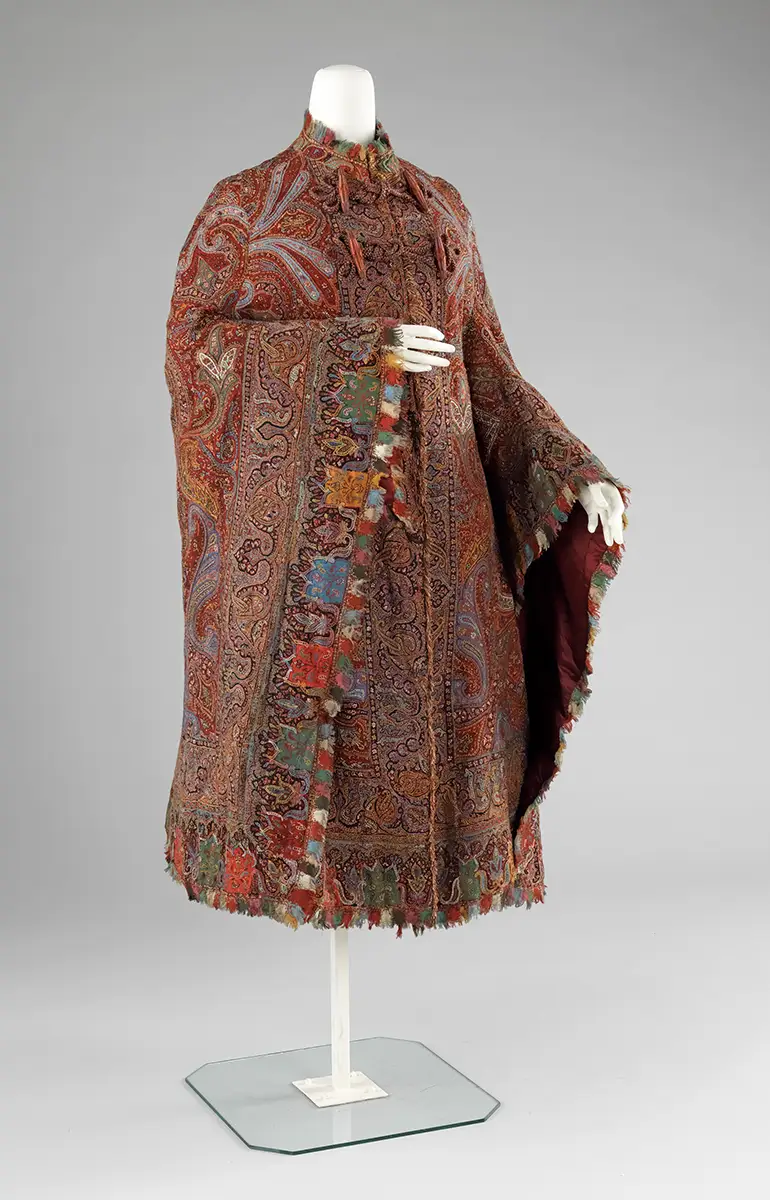
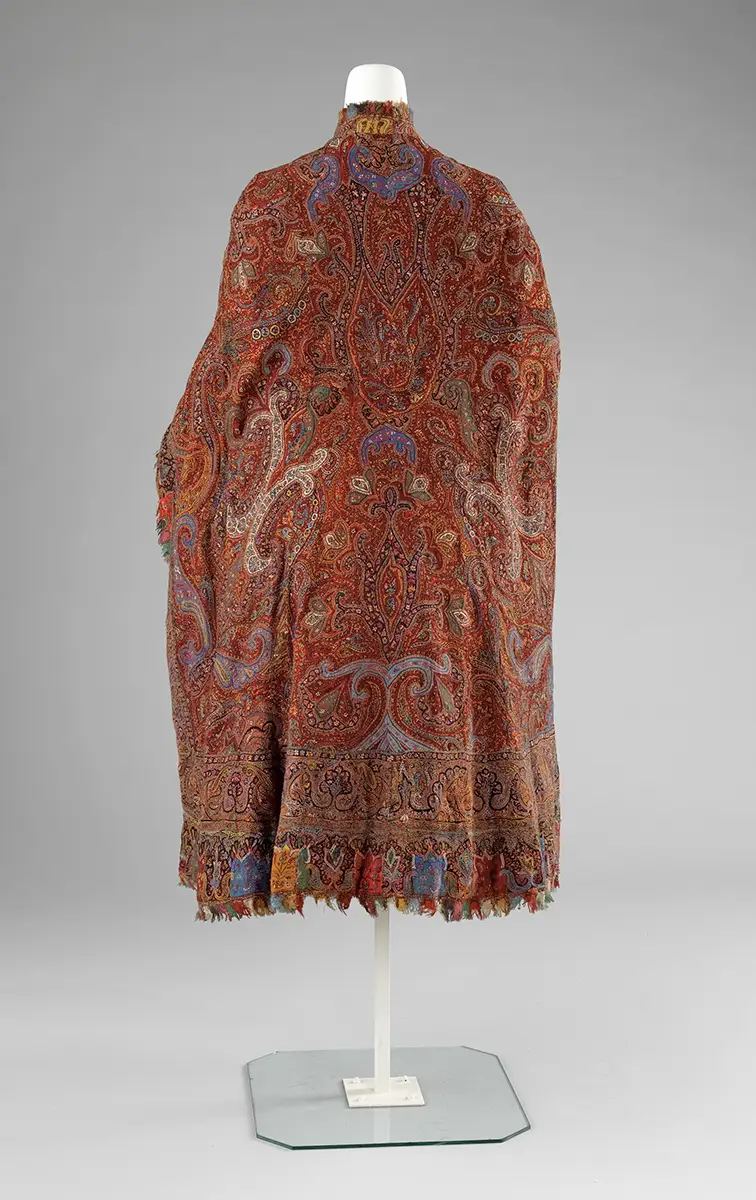
This American cloak, believed to have been sewn in the 1880’s, was made from a fine example of an embroidered Indian shawl.
The cloak is part of the Brooklyn Museum Costume Collection at The Metropolitan Museum of Art, Gift of the Brooklyn Museum, 2009; Gift of Lillian E. Glenn Peirce in memory of Mrs. Luther G. Tillotson, 1944. Object Number: 2009.300.112

© 1985 -2025 Rafiq Kathwari